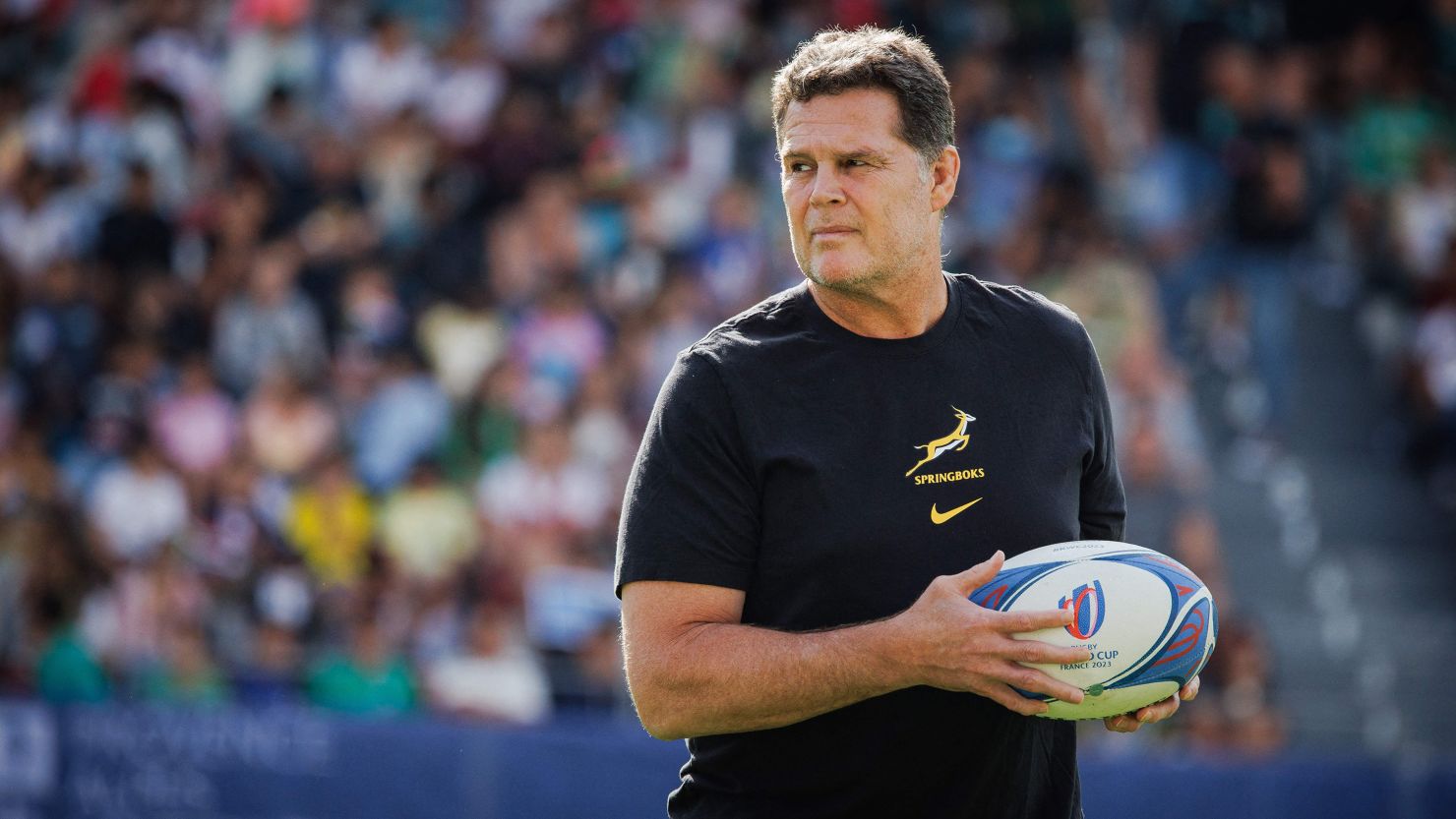
A key part of my coaching journey is learning, especially from successful people within this field of work, by listening to podcasts and reading books. Therefore, there was no better place to start than with Springboks Coach, Rassie Erasmus, who has led his country to consecutive Rugby World Cups (2019 and 2023) and ‘best team in the world’ status. His autobiography was a brilliant read and offers an insightful look into his life, both on and off the pitch. It covers his journey from growing up in South Africa to his successful career as a rugby player and, later, as a coach. It delves into the challenges he faced, his leadership philosophy, and his vision for transforming the South African rugby team into World Cup champions.
After reading the book I have spent some time reflecting on what learnings I took and how I will attempt to incorporate them into my coaching journey.
How do you view success?
- Rassie Erasmus provides some interesting insights into success, and how this can affect your coaching philosophy. He provided a more uncommon approach to this by adopting a 2-squad tactic at times throughout his Springboks coaching career. Changing the focus away from winning every game, to which ones are the most important and therefore providing undivided attention on these while accepting the belief to possible sacrifice of other fixtures. He has done this a number of times during his Springbok career, most notably, when he sent a 2nd team to play Wales in America so his 1st team could prepare for a 3-match Test Series v England, which they ended up winning 2-1. This decision early on in his international coaching career built the fans confidence level in him as they had defeated a major nation at home in a vital series.
Transparency with players:
- Rassie places lots of emphasis on the transparency with players, especially regarding selection. After his experiences as a professional player, he believes coach transparency is massively important. How does he do this within his coaching role? He does this by not allowing 1 on 1s with players when making selection decisions. All selection decisions and rationale are communicated to the whole team to prevent any opportunities of rumours spreading throughout the team from 1 on 1 conversations. Ultimately, this means that all the players are on the same page, understanding why decisions are made and how the team’s gameplan may have been of importance within the decisions.
These were some of the key learnings I took away from reading this book. However, a key question for me is how would I apply these professional techniques to amateur and semi-professional environments that I coach in?
View of Success – ultimately, I believe this is less important than at the professional level of the game, however it can still be incorporated into the amateur and semi-professional game. Specifically, when coaching a number of teams, placing importance on matches can be fundamental to success. If 1 of the teams has a more important game for their season than another, placing the importance on this can ensure that the club are performing at all levels across the teams. However, linking to player transparency, it is important to be open with the players surrounding these decisions to ensure everyone is willing to buy into the situation and how success is viewed during that specific week.
Transparency with Players – this is massively important during my coaching. It builds trust within the relationship, meaning that players are more likely to perform on the pitch and be trustworthy off the pitch (i.e open up about off pitch problems they may be going through). This transparency also provides the players with the rationale behind selection, therefore if they are not selected, they are provided with reasons which can create specific areas for them to focus on to ensure they are selected for the next game.
Rassie’s book was brilliant and definitely a must-read for anyone who has a passion for rugby or coaching across any sport. His impact on the world of rugby is clear for everyone to see, and compared to many other coaches his style to do this challenges the social norms within this area of work.